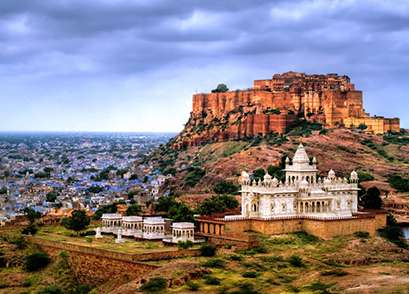
Famous Royal Palaces in Jaipur
City Palace – The Heart of Royal Legacy
Right in the city center, the City Palace is Jaipur’s heartbeat. Part museum, part royal residence, it perfectly blends living tradition with history on display. Strolling through its courtyards, it’s easy to imagine royal gatherings taking place just a few centuries ago.
Don’t miss:
Mubarak Mahal – Once a reception hall, now filled with royal costumes and artifacts.
Chandra Mahal – Still home to Jaipur’s royals, with sections open to admire murals and treasures.
Peacock Gate – An Instagram favorite thanks to its detailed peacock designs.
Hawa Mahal – The Palace of Winds
 If Jaipur had a face, it would be the Hawa Mahal. Built in 1799, this five-story honeycomb façade with 953 windows is unforgettable. Those tiny jharokhas weren’t just decorative — they let breezes flow through and allowed royal women to watch the city’s bustle without being seen.
Climb to the top for sweeping views of Jaipur’s old bazaars alive with colors and sounds.
Tip: Go in the morning. The sandstone glows golden, the bazaars are just waking up, and you’ll beat the crowds. Afterwards, wander Johari Bazaar — still buzzing with gemstones, jewelry, and textiles.
Amber Fort and Palace – Where Art Meets Strength
About 11 km from Jaipur, the Amber Fort rises above Maota Lake like something from a fairytale. From the outside it’s a fortress, but inside you’ll find palaces bursting with artistry.
Highlights include:
Sheesh Mahal (Hall of Mirrors): A single flame lights up the whole hall with glittering reflections.
Ganesh Pol: A gateway painted so beautifully it feels alive.
Diwan-e-Khas: A private audience hall where rulers once made historic decisions.
Getting there feels like an adventure too — ride up by jeep or take a gentle elephant ride along the cobbled path. If you can, stay for the light-and-sound show in the evening. Hearing Amber’s story under the stars is magical.
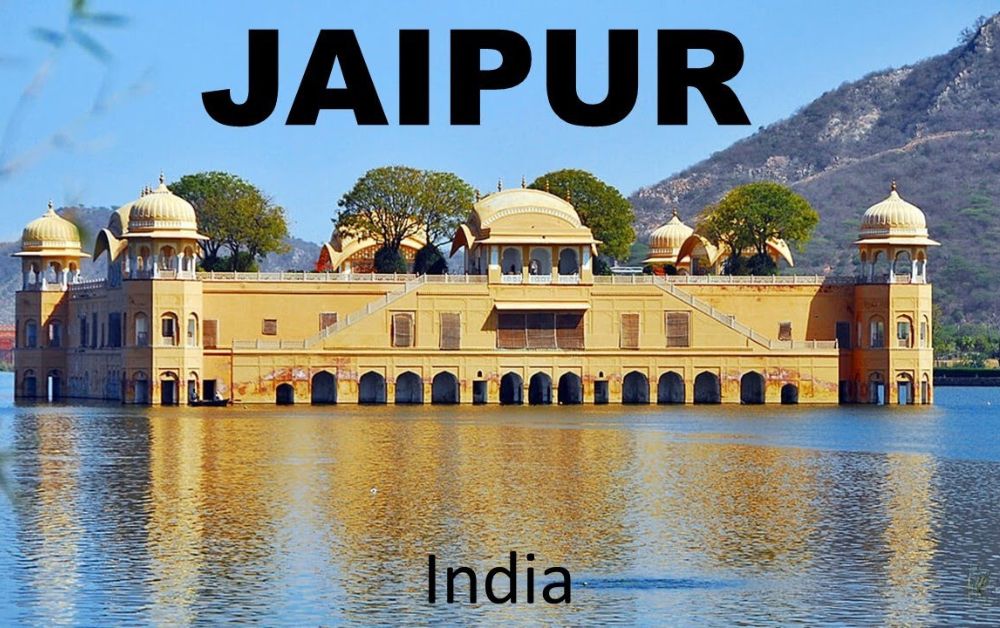
Jal Mahal – The Floating Water Palace
Jal Mahal is pure enchantment. Sitting quietly in the middle of Man Sagar Lake, it looks like it’s floating on water. Here’s the secret: only one level is visible, while four more lie hidden beneath the surface.
Visitors can’t go inside, but that’s okay. The real charm is watching the palace glow at sunrise or sunset, its reflection shimmering across the lake against the backdrop of the Aravalli Hills. It feels more like a painting than real life.
Rambagh Palace – Live Like Royalty
 If you’ve ever dreamed of being treated like royalty, Rambagh Palace makes it possible. Once the residence of Jaipur’s rulers, it’s now a Taj heritage hotel that mixes grandeur with warm hospitality.
Why visit Rambagh?
Ornate domes and marble latticework that showcase Rajput artistry.
Mughal-inspired gardens, perfect for an evening stroll.
Dining rooms and tea lounges where you can literally eat like a king.
Even if you don’t stay overnight, you can book high tea or join a heritage walk. Rambagh isn’t just a palace — it’s an experience.
Architectural Styles of Jaipur’s Palaces
What makes these palaces unique is the way different styles come together:
Rajput influence: Courtyards, strong defenses, and decorative balconies.
Mughal inspiration: Symmetrical gardens, graceful arches, and floral motifs.
European touches: Colonial columns and lavish interiors added later.
Jaipur’s rulers were visionaries. They welcomed outside ideas while preserving Rajasthani tradition — creating palaces that feel timeless and distinctly Jaipur.
Best Time to Visit Jaipur’s Palaces
The best time is October to March, when the desert weather is cool and pleasant. Summers are scorching, and the monsoon can disrupt plans.
Quick facts:
Hours: Most palaces open from 9:00 AM – 5:00 PM.
Tickets: Around ₹50–₹200 for Indians, ₹200–₹500 for foreigners.
Pro tip: Get a composite ticket if you’re covering multiple sites — it saves both time and money.
Tips for Travelers
Plan smartly: Pair nearby spots like City Palace and Hawa Mahal in one trip.
Hire a guide: Stories bring the walls to life.
Photography hack: Early mornings = softer light + fewer people.
Dress right: Light cottons, comfy shoes, and a hat go a long way.
Stay hydrated: The desert air dries you out fast.
Show respect: These aren’t just attractions — they’re cultural treasures.
Jaipur’s royal palaces are more than just beautiful buildings — they’re windows into a regal past that still breathes in the present. From the City Palace’s grandeur to Jal Mahal’s dreamy reflections, each palace tells a story. Whether you’re sipping tea at Rambagh or watching Amber Fort glow at night, you’re not just exploring Jaipur — you’re experiencing the heartbeat of Rajasthan.


 (1).jpg)

 (1).jpg)